

Publisher's Desk: Making Bad Art is Good for Your Brain -- Yes, You Read that Right!

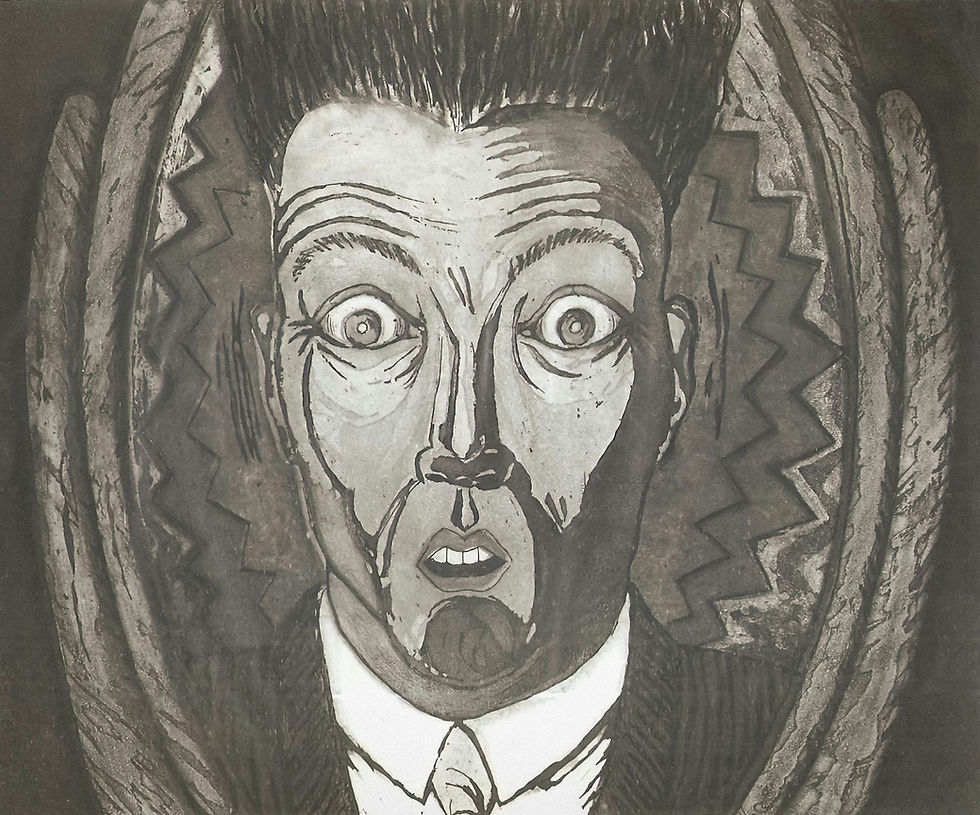
Ok, sounds crazy, right? Well, turns out there's method to this madness according to neuroscientists. The experts inform us that it's not necessarily daily exercise or heaps of bunny food on our plates that creates healthy aging. It is the consistent habit of doing things we're absolutely terrible at -- LOL!!!
Forcing yourself to pick up a musical instrument at 50 or older, attempting to learn a new language or traveling without GPS but an old-fashioned paper map instead, makes your brain extremely uncomfortable. The medical term for this is "cognitive friction".
The online report I read reveals that if your daily routine is too predictable and you're too comfortable with your same-old, same-old, your brain goes to sleep! Challenging your brain to learn something new helps build more pathways called "cognitive reserve".
In an emergency, your brain will soon have a bigger back-up system for better fuctioning if something gets damaged from age or disease. Think of it as road construction. The signs ahead say, ROAD CLOSED follow DETOUR. You can still arrive at your destination. You're just taking a different route there. Same thing in your brain -- now you have extra brain pathways to better navigate life's challenges.
Turns out neurological comfort is a trap that our lazy brains are more than happy to default to. It's up to us to flip on the switch, tuck away our egos, and learn something new.
It's ok to embrace the discomfort of being a beginner once more and allow your mind the mental stimulus. For a painter, try sculpting or woodworking. For a sculptor, take a glass-making class. Hand-throw some really terrible-looking pottery on that wheel and have a good chuckle.
Who knows, you may eventually get really good at this new skill. However, until then embrace the joy of creating really BAD art knowing how beneficial it is for your brain. Oh, and have some fun while you're at it -- you're not striving for perfection, you're striving for a better brain.
Thanks for reading this week's issue and keep those "cards and letters coming". We love sharing your news with our readers! -- Lynne Kornecki, Publisher


